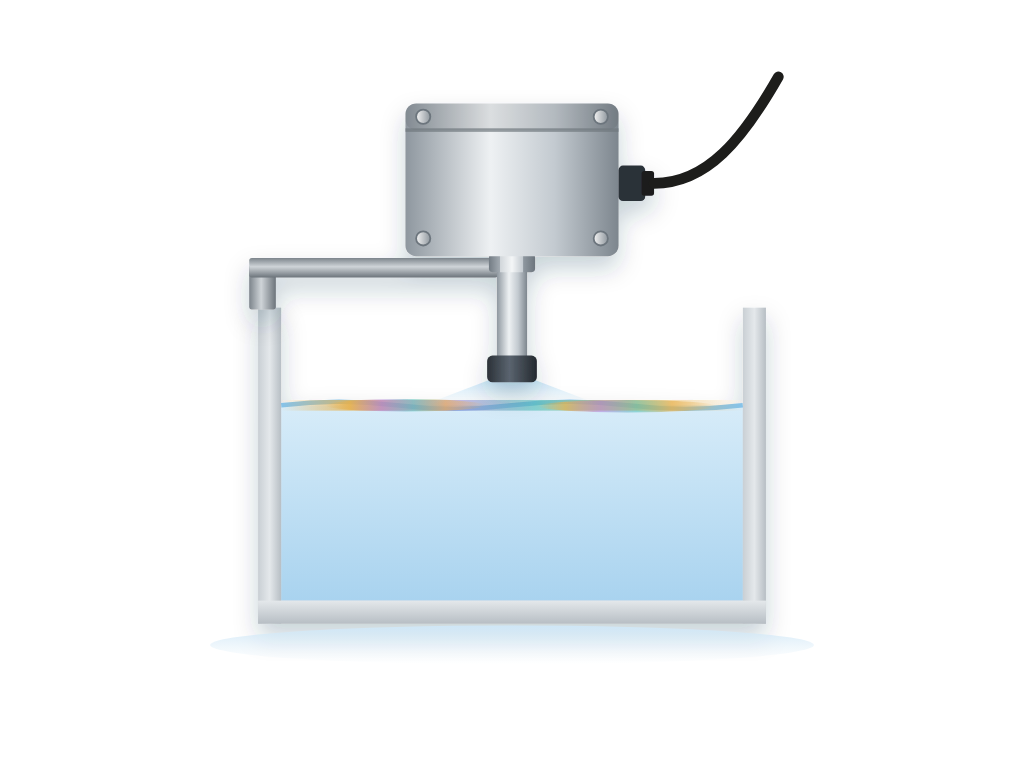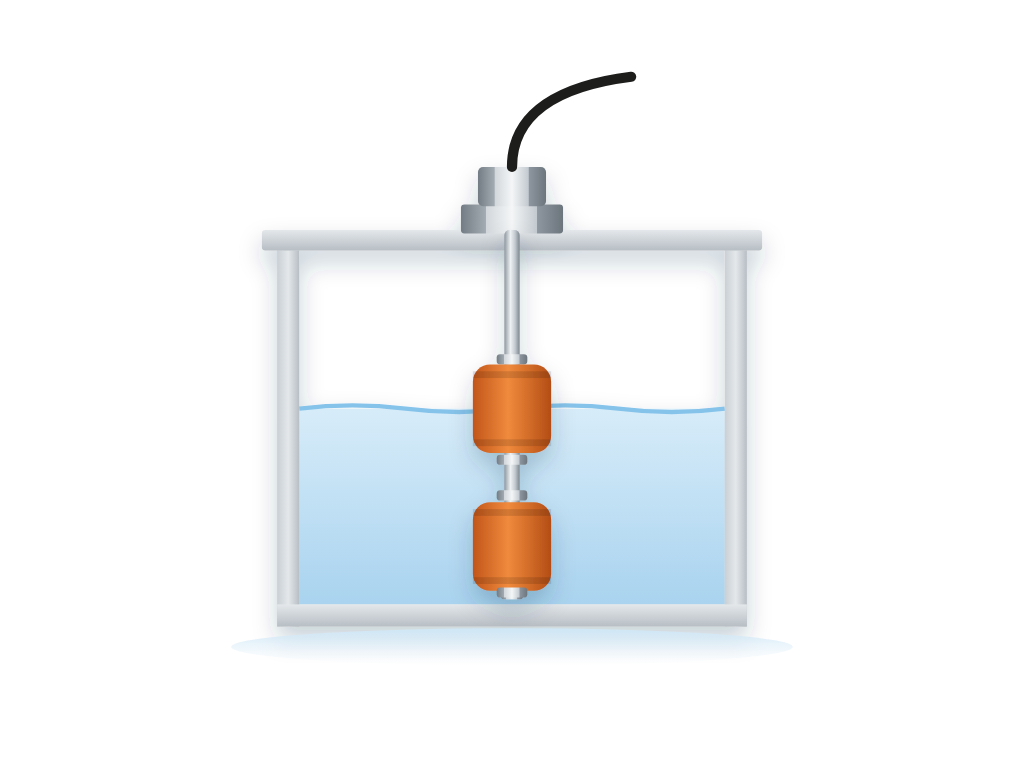
What is ORP
ORP. Oxidation-reduction potential (redox). ORP sensors/monitoring systems are used in many applications such as industrial metals removal processes in hydroxide or sulfide precipitation systems and Cr6 (Hexavalent Chromium) reduction processes prior to precipitation to convert the Cr6 to the Cr3 form that can be precipitated via traditional chemistry.
It’s all about electron transfer from one atom to another. ORP monitoring gives the ability to measure this electron transfer so that you can more accurately control processes or receive indications that processes are in, out or near operational requirements.
ORP can also be referred to as REDOX, REDuction OXidation. In a chemical reaction if one species (specific chemically identical substances) undergoes oxidation (loses electrons to another species atom) another species must accept those electrons and so is reduced (gains electrons from the donating species atom).
Oxidation
Oxidation is the loss of electrons by an atom, molecule or ion. A few common oxidants: oxygen, chlorine, ozone and peroxides.
Reduction
Reduction is the net gain of electrons by an atom, molecule or ion.
pH Dependence
Many REDOX reactions are dependent on pH being maintained at a certain setpoint in order to complete the REDOX reaction.
The ORP sensor and Intell-i-Watch monitor instantaneously detects and measures electrical charges from particles (ions). The charges are converted to mV (millivolts), which are either negative or positively charged. Certain process efficiencies can be continuously monitored to indicate treatment problems in real-time.
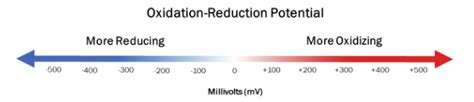
The ORP Scale (partial section)
Typically, 1500mV to -1500mV
ORP Monitoring Points
The following are a few examples of process monitor points in common applications.
| Use | ORP (mV) | pH | Comments |
|---|---|---|---|
| Cyanide destruction (chlorine & caustic addition) | +450 | 11.0 | Stage 1 reaction |
| Cyanide destruction (acid, maintain above 7.0) | +600 | 8.5 | Stage 2 |
| Chrome reduction | +200 to +300 | 2.0–3.0 | |
| Nitrification | +100 to +350 | ||
| Denitrification | +50 to −50 | ||
| Biological phosphorus removal | −100 to −225 | Stage 1 | |
| Biological phosphorus removal | +25 to +250 | Stage 2 | |
| cBOD degradation | +50 to +250 | ||
| Anaerobic digester malodor | −50 to −250 | ||
| Pool disinfection (chlorine addition) | +650 to +750 | 5–9 |
As some rules of thumb may help to understand the correlations, data collection and analysis of ORP results relative to a particular application, think of this one as adding additional clarity although it isn’t absolute in its directions: Positive ORP readings point to the presence of oxidizing agents, while negative readings suggest the existence of reducing agents. Study the subject matter, collect information on your Intell-i-Watch and seek correlations through our analytical utilities and contact Pan America Environmental with any questions you may have for integration with our Intell-i-Watch systems.

Intell-i-Watch multi-sensor transmitter monitoring systems are designed and supported by Pan America Environmental, Inc., with over 35 years of experience in industrial water and wastewater treatment.